


Last updated: November 20, 2026
Quick Answer
Hiking the Kaçkar Mountains 2026 means planning around a short summer window (June, September), budgeting roughly six days for the classic Olgunlar, Ayder traverse, and treating Ayder Plateau as your basecamp for hot springs, village homestays, and trail logistics. July and August are the safest, driest months, and hikers without alpine scrambling experience should hire a local guide for the high pass and summit sections[1].
Key Takeaways
- The classic Kaçkar traverse covers about 34 km over 4-6 days, from Olgunlar through Dilberdüzü and the Naletleme Pass to Ayder[1].
- July and August are the only genuinely reliable hiking months; snow can arrive as early as November at higher elevations[1][2].
- Kaçkar Dağı's summit sits at roughly 3,937 m, with summit day alone taking 8-10 hours round trip[1].
- There are no alpine huts on the route, plan for village pensions plus camping at Dilberdüzü and the Kavrun lakes[1].
- Beginners should hire guides for anything above Dilberdüzü; navigation gets tricky and fog is common near Naletleme Pass[1].
- Ayder's thermal pools are generally safe for soaking, but swimwear etiquette and gender-separated sessions apply at some facilities[2].
- 2026 protected-area fees apply per person, vehicle, and campsite, and foreign visitors can be charged 5-10x the Turkish rate[3][4].
- Village homestays near Ayder, Yaylalar, and Çamlıhemşin typically include a room, breakfast, dinner, and genuine Black Sea hospitality.
What's the Best Time to Visit Kaçkar Mountains in 2026
The best window for Hiking the Kaçkar Mountains 2026 is late June through early September, with July and August the safest months for the high traverse[1]. Outside that window, snow and unstable weather make the Naletleme Pass and summit route genuinely risky.
Here's what nobody tells you: this isn't a "mild shoulder season still works" kind of mountain. Türkiye's State Meteorological Service forecast the season's first snow at higher elevations in Rize and Artvin for November 5-7, 2026[2], and by November 18, Rize crews had deployed 16 construction vehicles and 37 personnel just to clear snow from 13 village roads around Çamlıhemşin[5]. That's not an edge case, that's a preview of how fast this range flips from green meadow to closed road.
- June: lower trails open, but high passes may still hold snow patches.
- July, August: prime time, stable weather, busiest trail and homestay season.
- September: good for the first two weeks; the Kaçkar by UTMB trail race ran September 11-13, 2026, pulling in runners and tightening accommodation around Ayder during that window[1].
- October onward: pack animals and guides become scarce, and early cold fronts can arrive without much warning.
Choose July or August if you want predictable weather and full village services. Choose late June or early September only if you're flexible and comfortable turning back.
How Difficult Are Kaçkar Trails for Beginners
Kaçkar trails range from gentle valley walks near Ayder to genuinely demanding alpine terrain above Dilberdüzü, so difficulty depends entirely on which section you choose. Beginners can absolutely enjoy day hikes around Ayder Plateau, but the full cross-range traverse is intermediate-to-advanced.
The numbers back this up:
| Section | Distance | Ascent | Difficulty |
|---|---|---|---|
| Olgunlar → Dilberdüzü | ~7.4 km | 764 m | Moderate |
| Dilberdüzü → Yukarı Kavrun | ~13.3 km | 963 m | Hard (high pass) |
| Yukarı Kavrun → Ayder | ~13.5 km | 143 m | Moderate, long descent |
| Kaçkar summit (from Dilberdüzü) | ~5 km each way | ~1,000 m | Hard, scrambling [1] |
Common mistake: assuming "Kaçkar" always means the full traverse. Fair warning, if your fitness level is more "weekend walker" than "trained trekker," stick to Ayder-based day loops and skip the Naletleme Pass crossing unless guided.
What's Included in a Black Sea Village Homestay
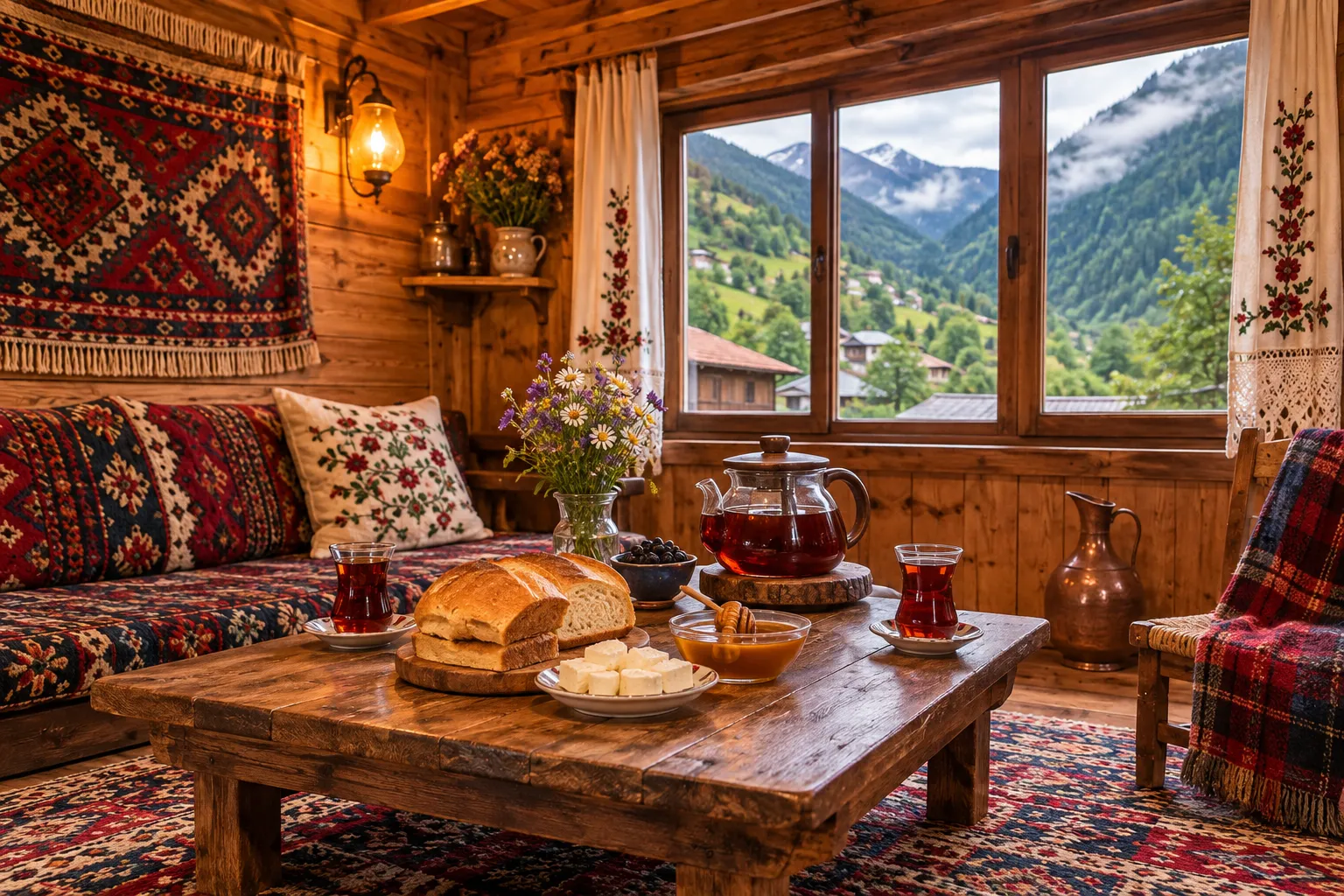
A typical Black Sea village homestay near the Kaçkar range includes a private or shared room, home-cooked breakfast and dinner, and informal access to the host family's daily rhythm, tea on the porch, maybe a story about the yayla season. This is the secret sauce of Hiking the Kaçkar Mountains 2026: the trail is memorable, but the homestay is where Turkish hospitality is no joke actually clicks into place.
Expect:
- Simple wooden rooms, often with shared bathrooms
- Breakfast spreads with local cheese, honey, cornbread (mısır ekmeği), and glass after glass of çay
- Dinner featuring Black Sea staples like kuymak (a cheesy cornmeal dish) or fresh trout
- Help arranging guides, pack horses, or onward transport
- Zero English guarantee, but Turkish hospitality fills the gap anyway
Pro move: book homestays in Yaylalar, Olgunlar, or Çamlıhemşin a few weeks ahead during July, August, since demand spikes with trekking season and events like the UTMB race[1]. For more on settling into everyday Turkish customs before you arrive, see what are the best ways to immerse yourself in Turkish culture.
How Much Do Kaçkar Mountain Guided Tours Cost
Guided tours and support (porters, pack animals, local guides) are generally arranged locally through Yusufeli, Yaylalar, Ayder, or Çamlıhemşin, with exact pricing varying by group size and season[1]. Beyond guide fees, budget for 2026 protected-area charges that now cover person, vehicle, camping, accommodation, and guide services under an official published tariff[3].
What to actually plan for:
- Protected-area entrance fees: set annually by Türkiye's nature conservation directorate; 2026 rates are published but site-specific, so confirm locally[3].
- Foreign visitor surcharge: foreign pedestrian entrance fees can legally be set at 5 to 10 times the domestic Turkish rate[4]. This catches a lot of travelers off guard, don't assume "no fee" guides are current.
- Guide day-rates: negotiated locally, higher during peak July, August weeks and event weekends.
- Pack animal hire: useful for multi-day gear-heavy treks, arranged in the same villages.
Trust us on this: call ahead or check with your homestay host about current fees rather than relying on older blog posts quoting "free entry."
Can You Hike Kaçkar Mountains Without a Guide
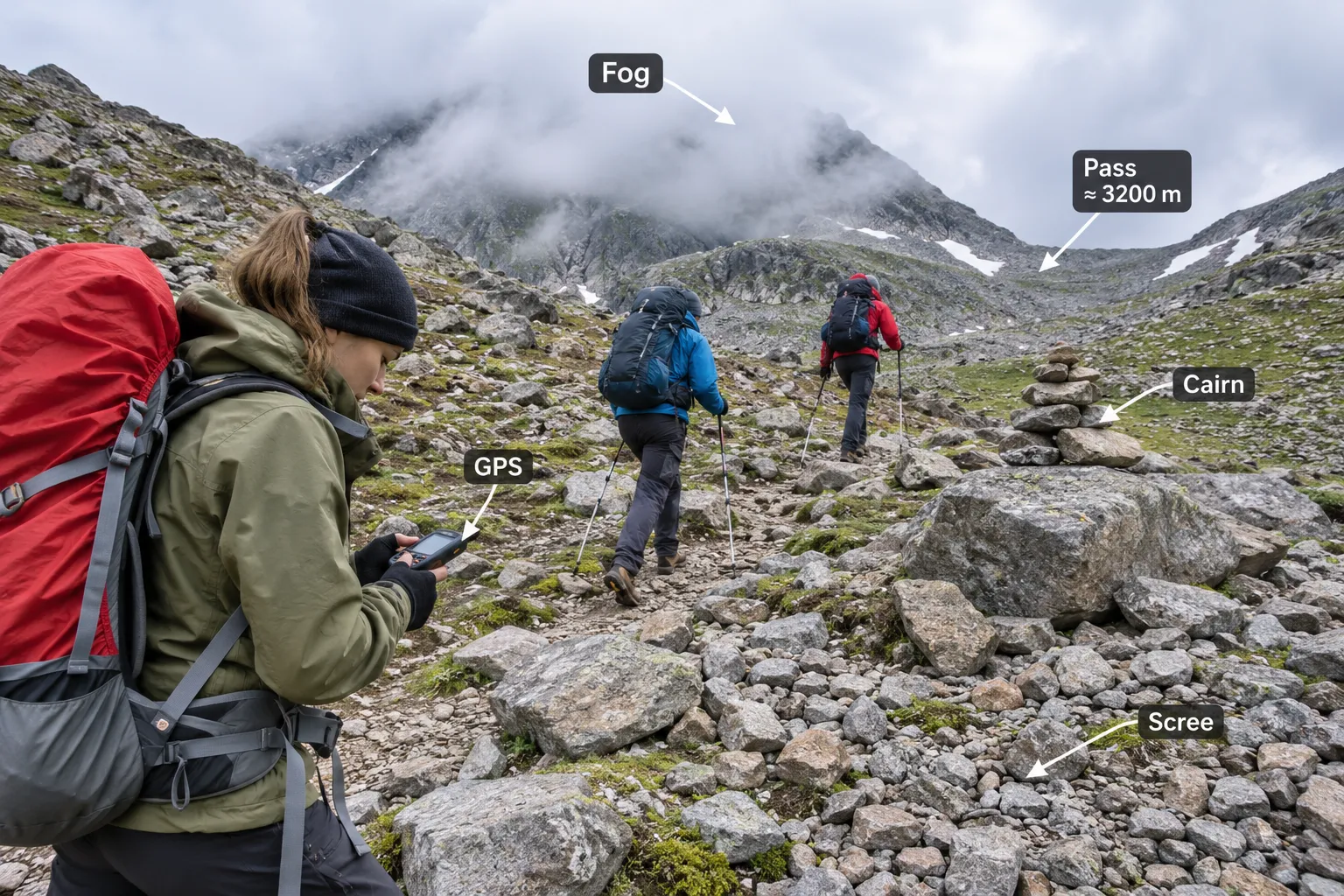
Experienced, well-equipped hikers can do sections of the Kaçkar traverse without a guide, but the route guidance specifically recommends hiring a local guide for the high country above Dilberdüzü, the Naletleme Pass crossing, and the summit push[1]. Waymarking is sparse, and fog regularly obscures the pass approach.
Choose self-guided if you:
- Have multi-day alpine trekking experience
- Carry an offline GPS track plus a paper map backup[1]
- Are comfortable navigating without mobile coverage for stretches
Choose a guide if you:
- Are attempting Kaçkar for the first time
- Want to add the technical summit scramble
- Are hiking outside peak season when markers and other trekkers are scarce
Edge case: solo hikers in shoulder months face compounded risk, low visibility plus fewer people around to help if something goes wrong. If that's you, hire local support. It's absolutely worth it.
What's the Difference Between Ayder Plateau and Other Kaçkar Routes
Ayder Plateau functions as the gateway and rest-stop of the Kaçkar range, offering hot springs, hotels, and easier access, while the Olgunlar, Dilberdüzü side is the wilder starting point for the full alpine traverse[1]. Think of Ayder as basecamp comfort and the Olgunlar side as expedition mode.
- Ayder Plateau: hotels, thermal baths, day-hike trails, easiest road access, great for families or those wanting nature plus comfort.
- Olgunlar/Yaylalar side: remote villages, trailhead for Dilberdüzü and the Kaçkar summit, minimal infrastructure, pack-animal support available.
- Çamlıhemşin: the administrative hub connecting both sides, useful for transport and guide arrangements.
Pick Ayder if your 2026 plan is relaxed hiking plus hot springs. Pick the Olgunlar side if the summit and traverse are the actual goal.
What Altitude Sickness Should I Worry About on Kaçkar
Altitude sickness is a realistic concern above roughly 3,000 meters on the Kaçkar traverse, particularly near the ~3,200 m Naletleme Pass and the 3,937 m summit[1]. Most hikers ascend gradually over several days, which helps, but summit day's rapid 1,000 m gain deserves respect.
- Watch for headache, nausea, and dizziness as early signs.
- Build in the recommended spare weather/acclimatization day rather than rushing the four-day minimum[1].
- Descend if symptoms worsen rather than pushing through, the summit will still be there next trip.
Common mistake: treating the six-day itinerary as flexible padding to cut. That spare day exists specifically to handle altitude discomfort, fog, or snow, skipping it removes your safety margin.
Are Ayder Plateau Hot Springs Safe to Swim In
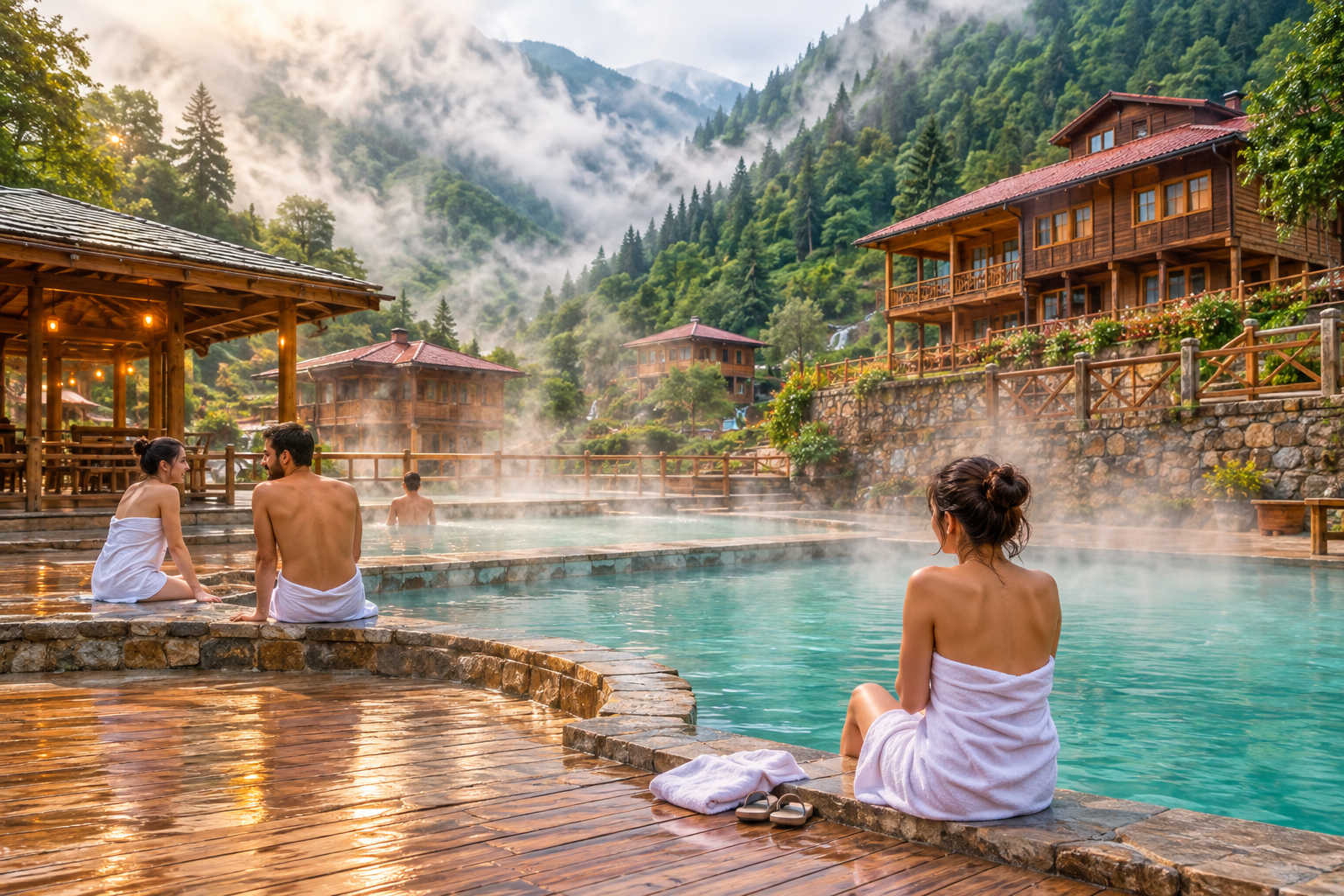
Yes, the Ayder Plateau thermal pools are a managed facility generally considered safe for soaking, with separate sessions or areas for different groups depending on the operator[2]. They're mineral-rich, warm, and genuinely the chef's kiss ending to a muddy, sore-legged hiking day.
- Bring your own swimsuit and towel; rentals exist but are limited.
- Expect a modest entrance fee at the thermal facility, separate from park fees.
- Sessions can be crowded in July, August afternoons; early morning is calmer.
- Not recommended immediately after heavy exertion without cooling down first, ease in gradually.
Consider this your sign to actually schedule a soak, not just a "maybe" on the itinerary.
How Many Days Should I Spend Hiking Kaçkar Mountains
A realistic trip length for the classic Kaçkar traverse is six days: four walking days, one summit day, and at least one spare day for weather[1]. Add travel time to and from the trailheads on either end.
- Day 1: Travel to Olgunlar/Yaylalar, settle in.
- Day 2: Olgunlar to Dilberdüzü (~7.4 km, 764 m ascent).
- Day 3: Summit day (optional but worth it), 8-10 hours round trip.
- Day 4: Dilberdüzü to Yukarı Kavrun via Naletleme Pass (~13.3 km, 963 m ascent).
- Day 5: Yukarı Kavrun to Ayder (~13.5 km, mostly descent).
- Day 6: Buffer day, then hot springs and homestay recovery at Ayder.
Attempting this on a rigid four-day schedule is the single most common planning mistake, it leaves zero room for fog, snow, or a late bus.
What Are Common Mistakes People Make on Kaçkar Trails
The most common mistakes are underestimating the Naletleme Pass terrain, skipping offline navigation tools, and assuming hut-style accommodation exists on the high route. None of these assumptions hold up on the ground[1].
- No offline GPS or map backup, mobile coverage disappears for long stretches.
- No buffer day, fog and snow at altitude aren't rare, they're expected.
- Assuming huts exist, pack camping gear for Dilberdüzü and the Kavrun lakes[1].
- Underestimating protected-area fees, especially as a foreign visitor paying the 5-10x rate[4].
- Booking nothing during event weekends, the September UTMB race period fills Ayder lodging fast[1].
Can I Do Kaçkar Mountains as a Day Hike from Rize
Short day hikes around Ayder Plateau are absolutely doable from Rize, but the full Kaçkar traverse and summit are not a day-trip proposition. Ayder sits close enough to Rize for a day of waterfalls, meadow walks, and hot springs, while the serious alpine terrain requires overnight logistics.
- Day-trip friendly: Ayder meadows, nearby waterfalls, thermal baths.
- Not day-trip friendly: Dilberdüzü, Naletleme Pass, the summit.
Choose a Rize day trip if time is tight; save the traverse for a dedicated multi-day window.
Where Else Can I Hike Near the Black Sea Coast
Beyond the Kaçkar range, the wider Black Sea region of northeastern Türkiye offers additional highland trekking around Artvin and Yusufeli province, with similarly lush, misty terrain[3]. These areas share the same general June, September hiking season and village-based lodging model.
If the Kaçkars whet your appetite for Anatolia's wilder corners, it's worth pairing this trip with a broader look at the road less traveled: underrated cities in Turkey or scanning where are the best places for scenic drives in Turkey for the road trip tying it all together.
How Do I Get to Kaçkar Mountains from Istanbul
The standard route from Istanbul involves a domestic flight to Trabzon or Rize-Artvin airport, followed by road transport to Ayder, Çamlıhemşin, or the Yaylalar/Olgunlar trailheads. Overnight buses are the budget alternative but take considerably longer.
- Fly + drive: Istanbul to Trabzon (about 1.5 hours), then 2-3 hours by road to Ayder.
- Bus: long-haul coach to Rize or Çamlıhemşin, then local dolmuş (shared minibus) onward.
- Rental car: gives flexibility for reaching remote trailheads like Yaylalar.
Pro move: book the flight-plus-dolmuş combo if your trip window is tight; it protects your precious hiking days. For general movement-around-Türkiye logistics, see seamless travel.
What's the Weather Like on Kaçkar in 2026
Expect warm, changeable mountain weather in July, August 2026 and an earlier-than-some-years cold snap arriving in autumn. Meteorological forecasts flagged the season's first snow at higher Rize and Artvin elevations for November 5-7[2], and by mid-November, snow had already closed multiple village roads around Çamlıhemşin[5].
- Summer (Jun, Aug): mild to warm days, cool nights at altitude, afternoon cloud common.
- Early autumn (Sep): still hikeable, especially first two weeks; event crowds around mid-September.
- Late autumn/winter: early snow events recorded in November 2026 made upper yayla roads unreliable[2][5].
Bookmark this: weather at Ayder itself (lower elevation, more sheltered) can look fine while trailheads and passes higher up are already closing for the season.
Conclusion
Hiking the Kaçkar Mountains 2026 rewards travelers who respect the season, budget real time for acclimatization, and lean on local guides where the terrain demands it. Future you will thank present you for booking that extra buffer day, confirming 2026 protected-area fees ahead of time, and reserving a Black Sea village homestay before the July, August rush hits.
Next steps: pick your window (July or August for safety), decide between the Ayder day-hike experience or the full Olgunlar-to-Ayder traverse, and lock in a homestay and guide contact in Yaylalar or Çamlıhemşin a few weeks out. Prepare to be obsessed, this corner of Türkiye genuinely earns the hype, hot springs and all.
FAQ
Is the Kaçkar traverse suitable for first-time trekkers?
Short Ayder day hikes are beginner-friendly; the full high-altitude traverse with the Naletleme Pass and summit is better suited to intermediate or advanced hikers, ideally with a guide[1].
Do I need a tent?
Yes, for the high route, there are no alpine huts, and hikers typically camp at Dilberdüzü and near the Kavrun lakes[1].
What's the earliest safe month to start hiking?
Late June is generally the earliest reliable start, though snow patches can linger at higher elevations.
Are there ATMs or shops at the trailheads?
Services are minimal in Olgunlar and Yaylalar; carry cash and buy supplies before heading up.
Is the Ayder hot spring open year-round?
The thermal facility typically operates year-round, though access to surrounding village roads can be disrupted by winter snow[5].
How steep is the summit scramble?
The summit day involves loose rock and exposed scrambling over roughly 1,000 m of ascent, taking 8-10 hours round trip[1].
Do foreign visitors pay more to enter the protected area?
Yes, 2026 rules allow foreign pedestrian fees to be set at 5 to 10 times the domestic Turkish rate[4].
Can I combine Kaçkar hiking with a Black Sea coastal stop?
Yes, many travelers pair the mountains with Rize or Trabzon coastal time before or after the trek.
References
- Kackar Mountains Trek. outestapp.com.
- Ayder Kaplicalari. ayder.com.
- Hiking in Turkiye. showmeturkiye.com.
- Hotelsnear G673824 D14060145 Kackar Mountains National Park Rize Rize Province Turkish Black Sea Coast. tripadvisor.com.
- Kackar Mountains Trek. opentravelguide.com.
