

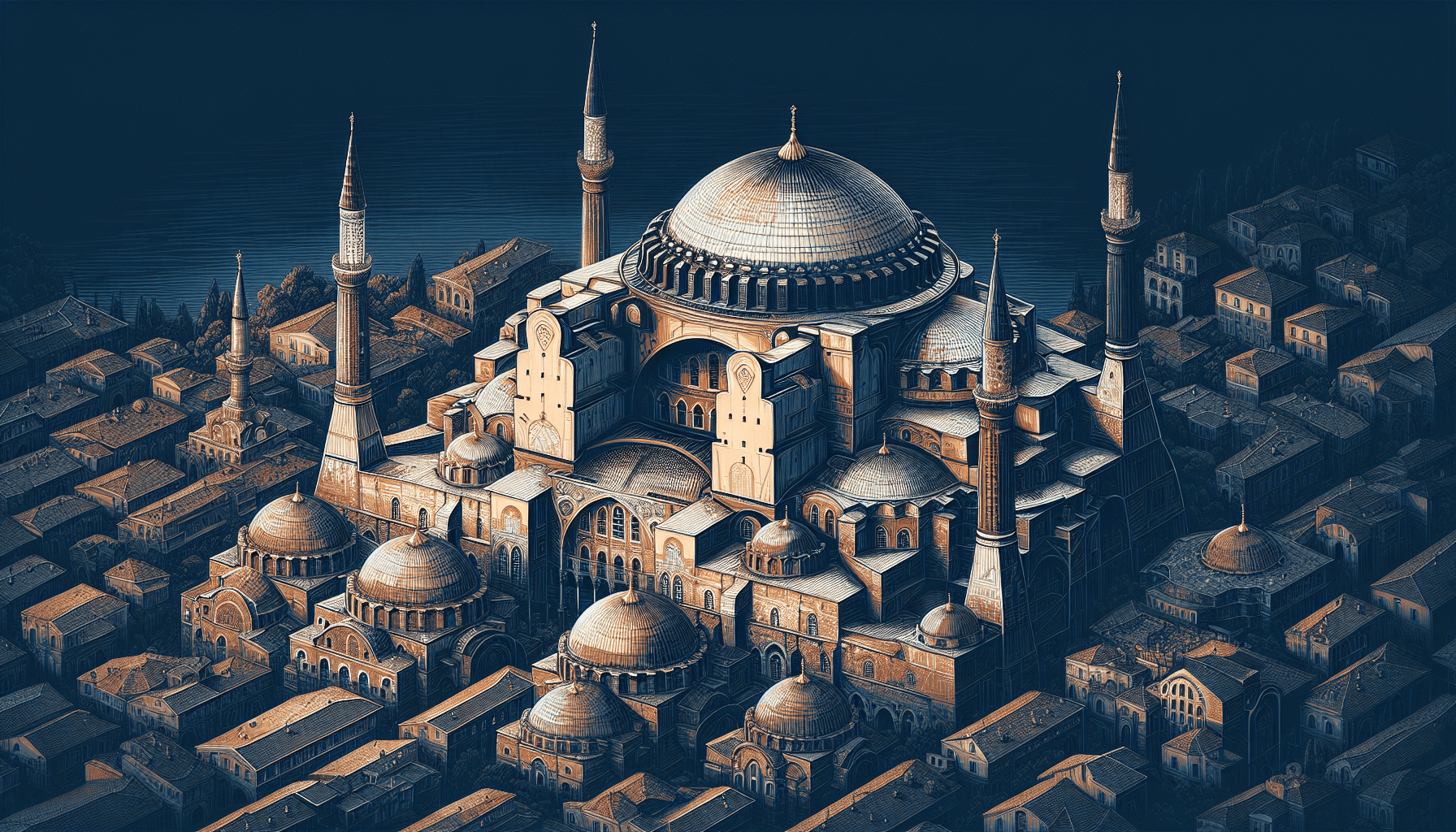

Explore Turkey's incredible religious architecture from Ottoman mosques to Byzantine churches. Discover must-visit sacred sites showcasing centuries of heritage.
What Should You Know About Exploring The Diverse Religious Architecture In Turkey?
Welcome to a fascinating journey through the diverse religious architecture of Turkey. From grand mosques to ancient churches, this beautiful country is a melting pot of different religious influences. Discover the intricacies of Islamic, Christian, and Jewish architecture as you explore the unique historical sites that showcase Turkey’s rich cultural heritage. Join us as we delve into the stunning buildings and structures that have stood the test of time, reflecting the country’s spiritual diversity and architectural excellence. Have you ever wondered about the rich history and architectural beauty of religious buildings in Turkey? From ancient mosques to stunning churches, Turkey is home to a diverse array of religious architecture that reflects its unique blend of cultures and traditions. Join us on a journey to explore the fascinating world of religious buildings in Turkey.

The Culture of Religious Architecture in Turkey
Turkey has a long history of various religions coexisting peacefully, resulting in a diverse blend of religious architecture that tells the story of its diverse cultural heritage. From ancient Byzantine churches to intricate Ottoman mosques, each building reflects the unique blend of influences that have shaped Turkey’s architectural landscape.
Turkish Mosques: A Blend of Byzantine and Ottoman Styles
Turkish mosques are known for their stunning architecture, characterized by intricate domes, minarets, and beautiful geometric patterns. The design of Turkish mosques often combines elements of Byzantine and Ottoman styles, creating a unique fusion of architectural influences.
Churches in Turkey: A Testament to Byzantine Heritage
Turkey is home to a number of ancient churches that showcase the country’s Byzantine heritage. From the iconic Hagia Sophia in Istanbul to the stunning Church of St. Barnabas in Famagusta, each church tells a story of Turkey’s rich history and cultural diversity.
Must-Visit Religious Buildings in Turkey
Turkey is home to a wealth of religious buildings that are not to be missed. Whether you are interested in Byzantine churches, Ottoman mosques, or ancient synagogues, there is something for everyone to explore in Turkey’s diverse religious architecture.
Hagia Sophia: A Symbol of Istanbul
The Hagia Sophia in Istanbul is one of Turkey’s most iconic religious buildings. Originally built as a Christian church in the 6th century, it was later converted into a mosque and is now a museum. The Hagia Sophia’s stunning architecture and rich history make it a must-visit for anyone interested in Turkish religious buildings.
Blue Mosque: A Masterpiece of Ottoman Architecture
The Blue Mosque, also known as the Sultan Ahmed Mosque, is another must-visit religious building in Turkey. Built in the early 17th century during the Ottoman Empire, the mosque is famous for its six minarets and stunning blue tiles that adorn its interior walls. Visiting the Blue Mosque is a truly breathtaking experience that should not be missed.
Sumela Monastery: A Hidden Gem in the Black Sea Region
For those looking to explore Turkey’s lesser-known religious buildings, the Sumela Monastery is a hidden gem located in the Black Sea region. Perched on a steep cliff, this ancient monastery offers stunning views of the surrounding landscape and is a testament to Turkey’s rich Byzantine heritage. A visit to the Sumela Monastery is like stepping back in time to a world of tranquility and spirituality.
The Influence of Religious Architecture on Turkish Culture
Religious architecture plays a significant role in shaping Turkish culture and identity. From mosques to churches to synagogues, each building reflects the beliefs and practices of the communities that built them, creating a sense of unity and diversity in Turkey’s cultural landscape.
Religious Architecture Mosque Etiquette: A Guide for Visitors
When visiting mosques in Turkey, it is important to be respectful of the religious practices and traditions of the community. Here are a few tips to keep in mind when visiting a mosque in Turkey:
| Dos | Don’ts |
|---|---|
| Dress modestly | Wear shoes inside the mosque |
| Remove your shoes | Take photos without permission |
| Cover your head if required | Speak loudly or disturb worshippers |
| Respect prayer times | Enter the mosque during prayer times |
By following these simple guidelines, you can ensure a respectful and enjoyable visit to a mosque in Turkey.
The Art of Calligraphy and Tilework in Turkish Mosques
One of the most striking features of Turkish mosques is the intricate calligraphy and tilework that adorn their walls and ceilings. Calligraphy is an important art form in Islamic culture, and it is often used to display verses from the Quran or other religious texts. Tilework, on the other hand, adds a decorative element to the mosque’s architecture, with vibrant colors and intricate patterns that create a sense of beauty and harmony.
Religious Festivals and Celebrations in Turkey
Religious festivals and celebrations play a major role in Turkish culture, bringing communities together to celebrate their shared beliefs and traditions. From Ramadan to Easter to Hanukkah, there are a variety of religious festivals that are celebrated throughout the year in Turkey. These festivals are a time for reflection, prayer, and celebration, and they offer a unique opportunity to experience the richness of Turkey’s religious heritage.
Conclusion: Embracing the Diversity of Religious Architecture in Turkey
Turkey’s diverse religious architecture is a testament to the country’s rich cultural heritage and history. From ancient mosques to stunning churches, each building tells a story of the unique blend of influences that have shaped Turkey’s architectural landscape. By exploring the world of religious buildings in Turkey, you can gain a deeper understanding and appreciation of the country’s vibrant culture and traditions. So, pack your bags and embark on a journey to discover the fascinating world of religious architecture in Turkey. Happy exploring!

Frequently Asked Questions
What are the main architectural styles found in the religious architecture of Turkey?
The religious architecture of Turkey showcases a fascinating blend of Islamic, Christian, and Jewish styles. Turkish mosques are particularly known for combining Byzantine and Ottoman architectural elements, featuring intricate domes, minarets, and geometric patterns, while the country’s ancient churches reflect its rich Byzantine heritage. This diverse architectural landscape tells the story of Turkey’s unique cultural heritage and the peaceful coexistence of various religions throughout its history.
Which are the top must-visit religious sites in Turkey?
Some of Turkey’s most iconic religious buildings include the Hagia Sophia in Istanbul, one of the country’s most symbolic structures, the stunning Blue Mosque with its masterpiece Ottoman architecture, and the Sumela Monastery, a hidden gem set in the Black Sea Region. Each of these sites offers visitors a chance to experience the incredible diversity and architectural excellence of Turkey’s religious buildings firsthand.
What should I know about visiting mosques in Turkey as a tourist?
As a visitor to Turkey’s religious architecture, it’s important to understand proper mosque etiquette before entering these sacred spaces. The article provides a guide for visitors to ensure respectful behavior while exploring these beautiful structures and learning about the spiritual traditions they represent.
What decorative elements are characteristic of Turkish religious architecture?
The religious architecture of Turkey features stunning decorative elements, particularly in mosques where calligraphy and tilework are considered high art forms. These intricate geometric patterns and artistic designs not only beautify the buildings but also reflect the cultural and spiritual significance of these structures throughout Turkey’s diverse communities.